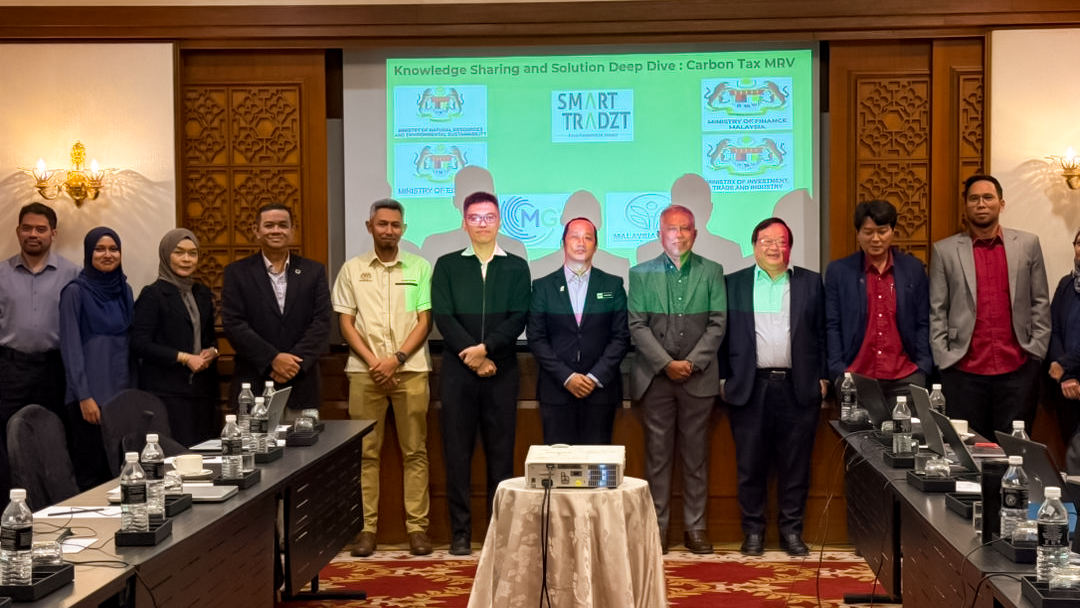
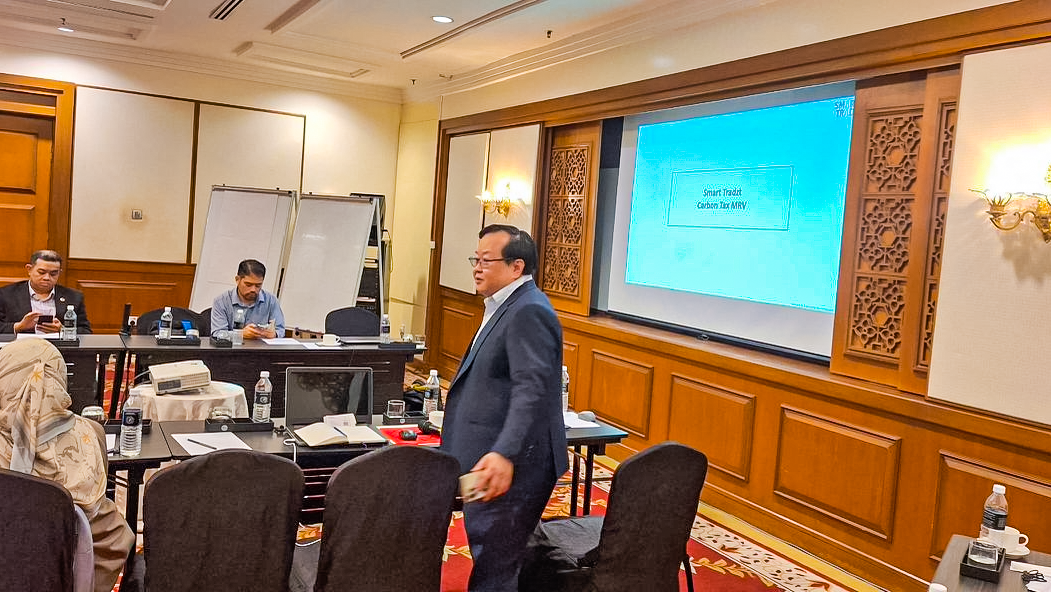
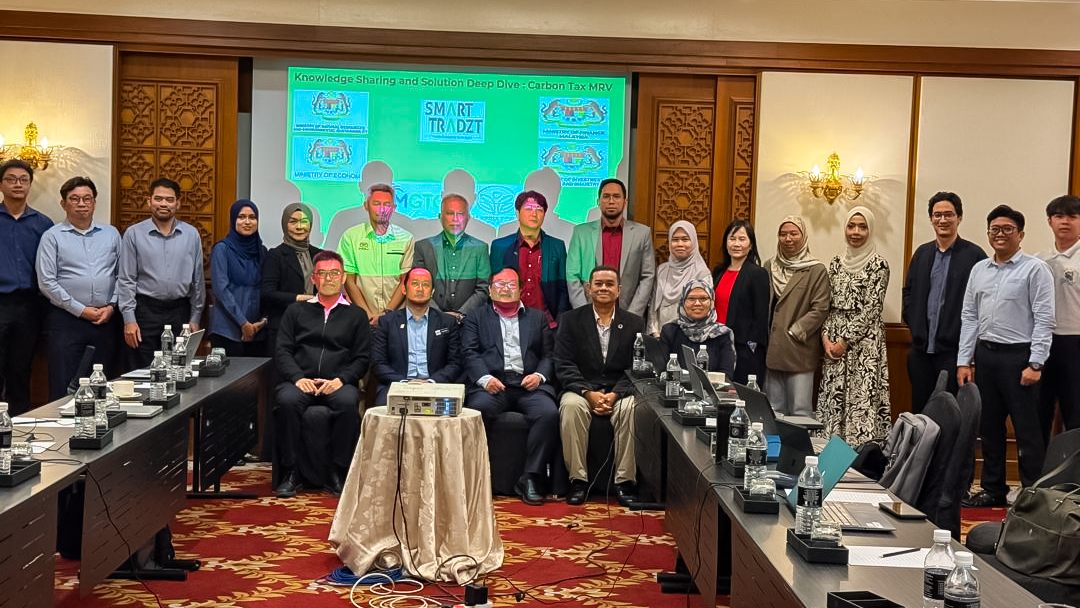
We were honoured to be invited by Malaysia’s Ministry of Natural Resources and Environmental Sustainability (NRES) to deliver a Knowledge Sharing and Solution Deep Dive Workshop on Carbon Tax MRV.
Participants joined from key ministries — #MOE, #MITI, #MOF — as well as national agencies such as Malaysian Green Technology and Climate Change Corporation (MGTC) and Malaysia Forest Fund, reflecting Malaysia’s collective commitment to building a robust and future-ready carbon governance ecosystem.
Our workshop focused on the fast-evolving landscape of Carbon Tax MRV, with practical examples anchored in the steel and energy sectors. To ensure meaningful application, we covered a comprehensive set of topics that will matter deeply for Malaysia’s 2026 carbon tax implementation and industry readiness:
🔍 Carbon Accounting Methodologies – What Matters and When
We unpacked the distinctions across:
- Corporate Carbon Footprint (GHG Protocol, ISSB-aligned disclosure)
- Facility Carbon Footprint (IPCC methods for carbon tax)
- Product Carbon Footprint (ISO 14067, PACT, RMI Steel, PCR/EPD, CBAM embedded carbon) with an emphasis on when each methodology is applicable.
📊 GHG Emission Quantification Approaches
From standard calculations (using emission factors), to mass balance, to direct measurement (CEMS) — we discussed their suitability, data requirements, and implications for uncertainty analysis.
🏛️ Carbon Tax Process & MRV Tool
We demonstrated how end-to-end MRV works:
- Monitoring plan creation
- Activity data management (integration to ERP, process historian, LIMS etc)
- Emission quantification & uncertainty modelling
- Industry-specific customisation
- Reporting workflows
- Carbon tax policy simulation for internal planning
⚖️ ETS Mechanisms & Global Lessons
We compared:
- Carbon Tax
- ETS (intensity-based) such as China
- ETS (absolute cap) such as EU and discussed the MRV → MRVA transition.
🌱 Net Zero & Decarbonisation Planning
We shared frameworks for:
- Evaluating & prioritising decarbonisation initiatives
- Modelling financial impacts
- Steel sector net-zero pathways, including the economics of CCS.
♻️ Carbon Insetting & Low-Carbon Material Monetisation
We explored how industries can unlock new value through green steel, supply chain incentives, and industry-wide carbon transparency mechanisms.
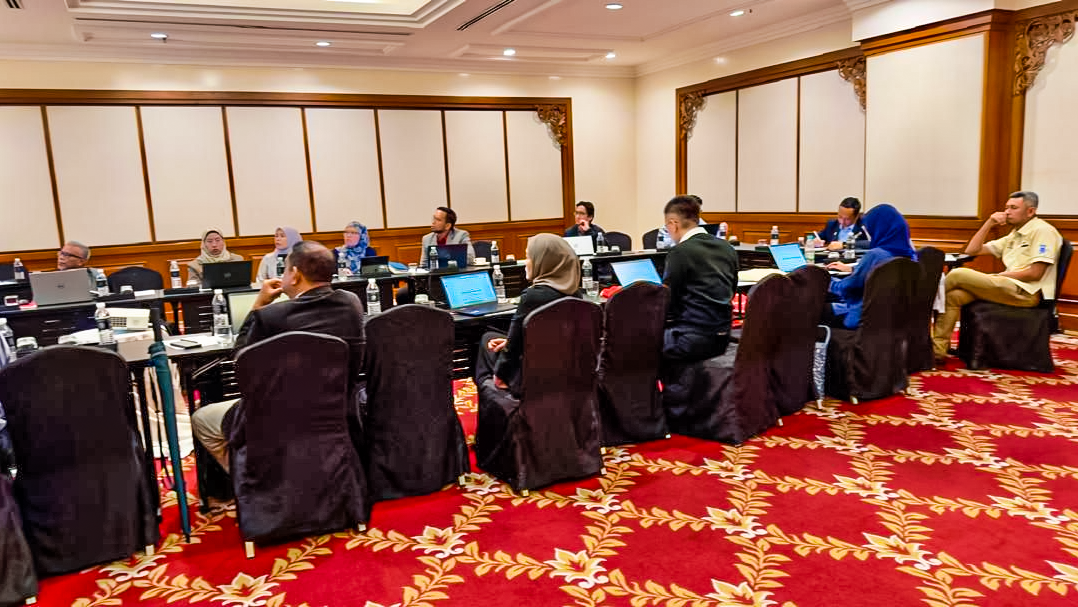
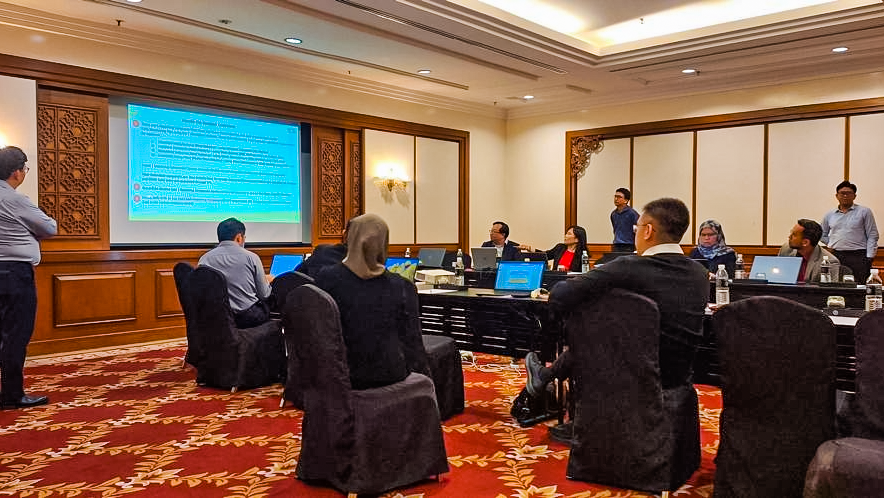
The session was highly engaging, with active participation from experts a
cross ministries and agencies who brought thoughtful, forward-looking perspectives to the discussion. Their questions and insights reflected deep familiarity with carbon policy, operational constraints, and the practicalities of nationwide implementation.
The hands-on walkthrough of the MRV solution further stimulated meaningful dialogue, enabling participants to visualise how a robust, end-to-end digital tool can support effective Carbon Tax rollout.
We extend our sincere appreciation to NRES for the opportunity to contribute to Malaysia’s nation-building efforts in carbon policy and industry decarbonisation
We remain committed to supporting government agencies and industries with credible MRV, transparent carbon data flows, and practical decarbonisation enablement — all essential foundations for a competitive low-carbon economy.