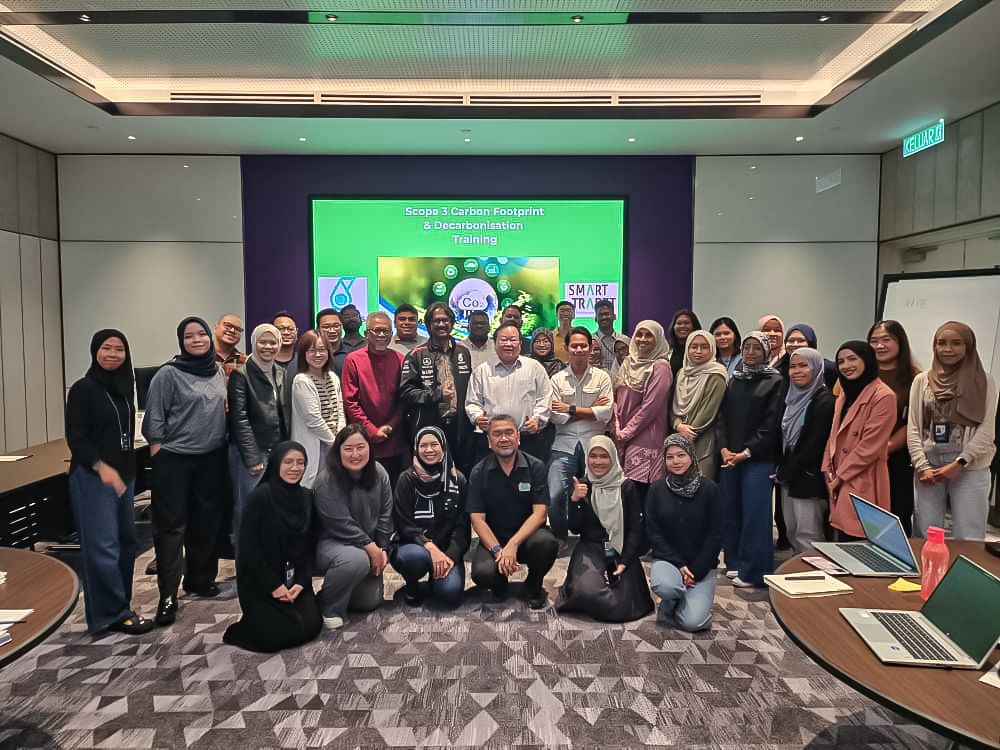
Just wrapped up an incredibly dynamic 2-day training on Scope 3 GHG Emissions Accounting and Decarbonisation for a Fortune 500 company — and what an inspiring experience it was!
The participants brought remarkable energy to the sessions — engaged, inquisitive, and deeply thoughtful. Their probing questions and discussions reflected both technical depth and genuine commitment to advancing sustainability within their respective business units — from upstream and downstream operations to retail, renewable energy, and shipping.
Over the two days, we explored:
🔹Core Scope 3 accounting principles — emission quantification methodologies, materiality assessment, avoiding double counting and practical implementation tips.
🔹 The importance of primary emission factor data through Product Carbon Footprint (PCF) and PACT methodology to enhance accuracy.
🔹 Forward-looking strategies for Scope 3 decarbonisation, with a special focus on:
→ Green procurement — integrating Supplier PCF and Total Cost of Ownership (TCO) modeling into RFP evaluation.
→ Carbon insetting — in the context of procuring low-carbon materials and marketing sustainable fuels (e.g., SAF, biodiesel) using Chain of Custody models such as Book & Claim and Segregation.
These approaches directly drive decarbonisation for Scope 3.1 (purchased goods & services) and related categories such as 3.2, 3.4, 3.9, as well as 3.11 (use of sold products).
The concepts were brought to life through realistic case exercises and a live demo of our climate tech solution, showcasing how theory connects seamlessly with implementation.
A big thank you to the organising team for the opportunity and trust in Smart Tradzt — it’s truly rewarding to see industry leaders investing in the capabilities that will shape a lower-carbon value chain.